





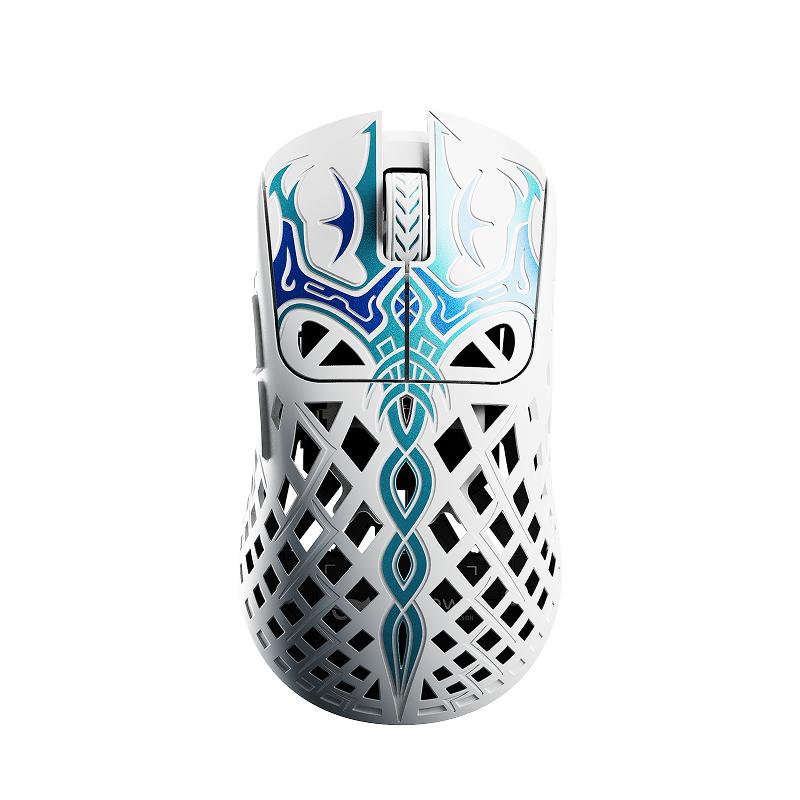
![Pulsar TenZ 2.0 Signature Edition [Pro Series]](http://waimers.in/cdn/shop/files/TenZ2.0_Top_v.png?v=1790280058&width=800)
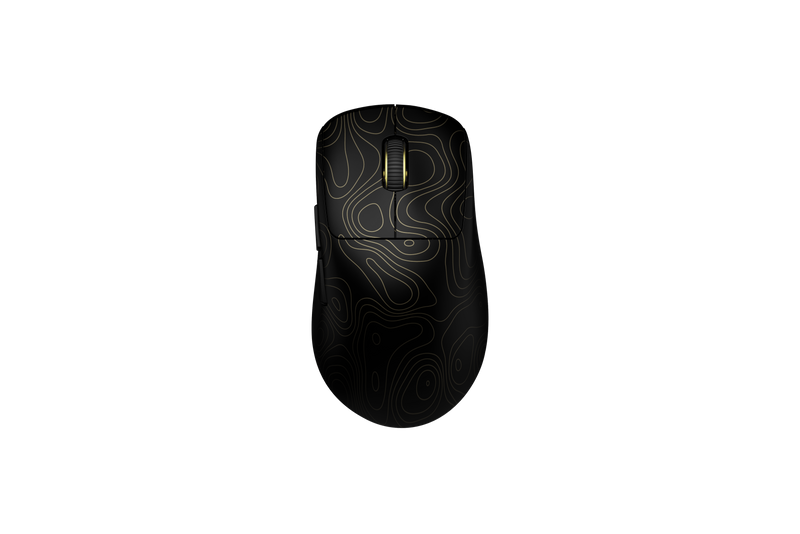
![Pulsar [Pro Series] Susanto-X 2.0 Gaming Mouse](http://waimers.in/cdn/shop/files/Susanto-X_20_Panthom-Jungle_top_large_da1dc919-3823-4032-9a05-6c6ba2b3975e.webp?v=1788783197&width=800)






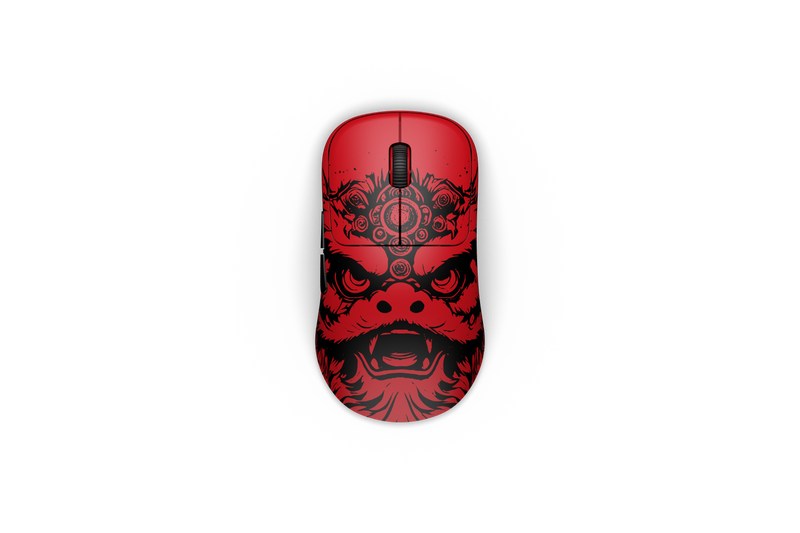
![Pulsar [Pro Series] Jinggg-X Medium Gaming Mouse](http://waimers.in/cdn/shop/files/Pulsar-jingggX_top_large_3b9147c5-4003-4c18-bc3d-8131064c2b18.webp?v=1783883297&width=800)



![Oni's Oath Glass Pad [鬼の誓い] - Limited Edition](http://waimers.in/cdn/shop/files/image_bb601c8e-0651-4702-b96f-abd41acfdbd3.png?v=1756477743&width=800)
![Jinsoku Edgeless Speed Mousepad - [迅速]](http://waimers.in/cdn/shop/files/JinsokuEdgeless-L-MidnightPurple.jpg?v=1768143245&width=800)
![Wraith Ace Series [Ravenfall] Limited Edition Poron Mousepad](http://waimers.in/cdn/shop/files/48x48_siralama_99aaa6eb-5f9d-406f-a019-92dbcd7025b4.webp?v=1787263809&width=800)




Mouse Notes 06
Skates (Mouse Feet)
Skates = the small pads on the bottom that slide on your mousepad. It's Top 6 part TOP 6 (#6).
- They decide glide: how easily the mouse starts moving + how well it stops.
~ like: ice skates under a player - same player, different blades = totally different feel.
- Fresh skates on a worn mouse can make it feel brand new - often the cheapest real upgrade.
1. The 2 kinds of friction (MOST important idea)
~ like: pushing a heavy box: the first push is hardest (static), keeping it sliding is easier (dynamic).
- Low static = easy micro-adjustments. Some static = better stopping power for flicks.
-
Asymmetric glide: some skates start fast but then slow down (fast start, slower glide).
e.g. West Lab Yellow dots (UHMW-PE) are sold exactly like this - aimed at low-TTK games.
2. Materials (+ why they're called that)
UHMW-PE - more control PTFE Ceramic Glass - more speed
(rough guide - brand, shape + pad change this a lot)
-
PTFE: PolyTetraFluoroEthylene. "Teflon" is a brand name for it - the same slippery stuff on non-stick pans. Balanced glide, quiet, wears faster on rough pads.
~ like: a non-stick tawa - food (your mouse) just slides.
-
Stock vs virgin PTFE: stock skates often use recycled / lower-purity PTFE (can feel scratchy). "Virgin" = pure, never recycled.
e.g. Corepad, Tiger Arc, Hotline Games, Ghostglides Edgerunner = marketed as 100% virgin / pure PTFE.
-
Reinforced / hardened PTFE: tougher PTFE, often made for glass + hard pads.
e.g. UNWS Magic Ice + Silver Fox (reinforced PTFE), X-raypad Obsidian + Ghostglides Cyclone (hardened PTFE).
-
Powdered PTFE: pure white, NOT see-through. Sold as more durable with balanced speed.
e.g. West Lab Cream dots.
-
UHMW-PE / UPE: Ultra-High-Molecular-Weight PolyEthylene - plastic with super long molecule chains = very tough. Lasts longer than PTFE, more control.
~ like: the tough white plastic of a heavy-duty chopping board.
e.g. X-raypad U9, West Lab Gray + Yellow, KIBU x WAIZOWL Washi, UNWS Black Fox (UPE + resin fibres).
-
Glass: aluminosilicate glass - same family as tough phone screen glass. Almost zero static friction, barely wears.
e.g. Pulsar Superglide / Superglide 2, LGG glass skates, PWNAGE Ultraglide.
-
Ceramic: speed close to glass, a bit more stopping power, very durable, can be noisier.
e.g. Sapphire Skates, Corepad Ceramics.
- Exotic: TJ Exclusives PlastiX, nTech aluminium skates.
What skates does a mouse come with?
- Most mice: ship with PTFE skates - about 95% of gaming mice. Many stock sets use lower-purity PTFE, so they can feel scratchy vs aftermarket.
-
Premium stock PTFE: pure white PTFE now comes in the box on mice like Logitech Superlight + Razer V3 series.
e.g. Ninjutso ships its own HyperSkates on mice like the Ninjutso Ten.
-
Mouse brands selling glass / ceramic upgrades: NOT in the box, sold as extras for their own mice:
e.g. Corsair M75 Performance Glass Skates (aluminosilicate glass) - made for Corsair M75.
e.g. HyperX Glass Skates for Pulsefire Haste mice - best on cloth pads, may be worse on hard desks; set includes a PTFE sensor skate.
e.g. G-Wolves Ceramic Skates for G Pro-class mice. Pulsar Superglide for Pulsar, Razer + Logitech mice.
-
Stock skates can be weak: e.g. testers found the Logitech Superstrike's stock skates wear down quickly + get scratched even on glass pads.
~ like: a new phone comes with a basic screen guard - it works, but many people upgrade it.
-> Buying tip: ask the seller what skate the mouse ships with, how it feels day 1, and after 2-4 weeks.
3. Shapes
- Less contact = faster + lighter. More contact = stable + more stopping power.
- Full-size skates keep the pad's ORIGINAL feel. Dots on a slow pad can make it feel much faster.
e.g. Ghostglides Cyclone comes as dots, mini-doughnuts (8mm) + pills. UNWS donuts: 10mm, 0.82mm thick.
~ like: tyre tread patterns - same rubber, different pattern = different grip.
4. How skates are built
-
Thickness: commonly ~0.7-0.85mm. Changes sensor-to-pad distance (NOT the LOD setting).
e.g. Superglide: 0.8mm only. UNWS Magic Ice 0.8mm, Silver Fox 0.7mm. West Lab Orange: thin 0.7-0.8mm, good for low-LOD mice.
-
Anti-collapse / anti-dent layer: foam or PU in the middle stops the skate sinking or denting under pressure.
e.g. X-raypad Jade + Obsidian Ultra, West Lab (PU on all dots), KIBU x WAIZOWL two-layer build, Ghostglides PORON foam versions.
-
Noise reduction: softer layers make hard skates quieter, especially on glass pads.
e.g. UNWS "Black PRO" layer in Silver Fox.
-
Curved / 2.5D edge: rounded edge so the skate doesn't catch or cut the pad.
e.g. ESPTIGER arc-edge design (the "Arc" name comes from this).
-
Break-in period: some skates feel too fast out of the box, then settle.
e.g. Superglides: hardest to control at first, easier after about a week.
~ like: new shoes feel stiff for a few days before they fit perfectly.
5. The skate brands (big list)
(each brand usually sells SEVERAL skates with different feel - speed orders below are the brand's / retailer's own claims)
Corepad (Skatez)
- 100% pure PTFE + 3M adhesive, shapes for tons of mice.
- Feels more CONTROLLED / slower than Jade or Tiger Ice - a safe baseline to start with.
- Also makes Corepad Ceramics.
ESPTIGER (Esports Tiger)
- Arc 1 + Arc 2: safe choice, a middle ground - close to good stock skates.
- Ice / Ice V2: PTFE, ~0.8mm, arc edge, feels faster.
- Yanzi: pure SPEED on glass + quiet, harder material but wears faster than other hardened PTFE.
X-raypad
- Jade: fastest in their range, PTFE, made for cloth.
- Obsidian (Control, Pro, Air): hardened PTFE for glass + plastic pads, keeps a hint of control.
- U9: UHMW-PE dots for durability + control on glass. Jade/Obsidian Ultra: anti-collapse foam + noise reduction.
UNWS Gear (Unusual Way Sports)
- Brand started Oct 9, 2020. Full skates for many mice + universal dots + donuts.
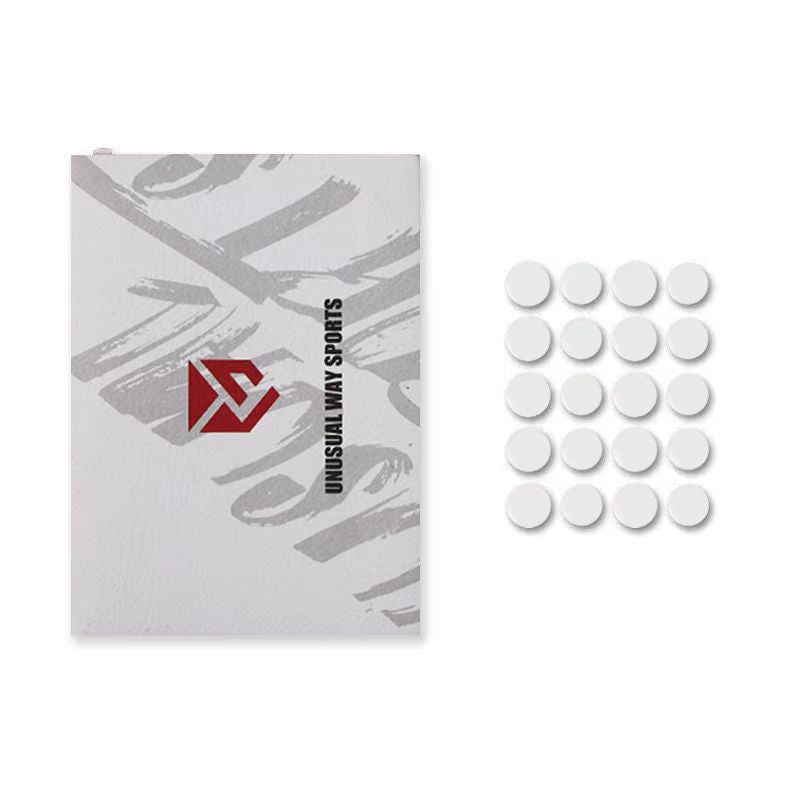
- Magic Ice (white): reinforced PTFE, 0.8mm - their fastest. Dots: 20 per pack.
- Magic Ice Plus (red dots): Magic Ice speed + Silver Fox cushioning -> quieter, more durable, anti-collapse.
- Pink Fox / Pink Silver Fox: reinforced PTFE + Black PRO layer, 0.7mm.
- Silver Fox (grey): reinforced PTFE + Black PRO, 0.7mm - quieter, made with glass pads in mind. Dots: 40 per pack.
- Black Fox (black): UHMW-PE / UPE (+ resin fibres) + Black PRO, 0.8mm - most controlled + durable.
- Donuts (10mm x 0.82mm): Pink + Cyan = tougher "enhanced Magic Ice" (a bit less slippery), Black = Black Fox material, Grey = Silver Fox material.
- UNWS says donut colour barely changes glide - the material matters, not the colour.
Speed order (brand/retailer): Magic Ice > Magic Ice Plus > Pink Fox > Silver Fox > Black Fox.
!! Some older listings put Silver Fox above Pink Fox - sellers disagree, so test both yourself.
Testers found UNWS dots need no break-in period (softer than hardened PTFE = a bit more control, wears slightly faster).
West Lab
- Universal dots, all layered with PU (anti-collapse + quieter).
- Speed: Orange = Black > White = Blue > Cream > Yellow = Gray.
- Orange: thin + very fast on glass / mid-hard pads (avoid soft pads). White: pure PTFE, harder. Blue: speed + control.
- Cream: powdered PTFE. Yellow: UHMW-PE fast start, slow glide. Gray: UHMW-PE, most control.
- Also "Control" skates made for specific mice like Endgame Gear OP1.
KIBU x WAIZOWL
- 160 dots per pack (6.6mm x 0.8mm) - great value. Two-layer build stops centre denting. Comes with alcohol wipes.
- Shiro ("snowy owl"): high-PTFE, speed, best on hard / glass pads.
- Karahuto: quieter, easy-to-control glide - good for beginners.
- Washi: UPE, much less slippery + much more wear resistant - for glass pad users.
GHOSTGLIDES
- Cyclone: hardened PTFE, balanced speed, more durable than normal PTFE - dots, mini-doughnuts, pills.
- Cyclone with PORON foam layer = shock absorbing. Popular for being quiet on glass.
- Edgerunner dots: 100% virgin PTFE. Also sells PORON skate spacers.
Pulsar Superglide / Superglide 2
- Aluminosilicate glass skates, 0.8mm, very fast, long-lasting.
- Break-in about a week. Pulsar does NOT recommend them on glass pads.
Lethal Gaming Gear (LGG)
- Big skate + pad retailer, also sells its own glass skates.
PWNAGE
- Ultraglide: glass skates. Some shop listings say "all pad types", but PWNAGE's OWN product page says do NOT use on a glass pad.
- SmoothGlide: PTFE universal dots.
TALONGAMES
- Kumo series (Kumo = "cloud" in Japanese): PTFE dots for CLOTH pads - high speed, low noise, curved edge.
- Kumo Mini: 4mm PTFE dots for GLASS pads, high speed. S-1 White: high-density PTFE dots made for glass pads.
- Classic V2: rounded PTFE, 0.8mm. Also sells 6mm glass skates.
Mouse brands' own upgrade skates
- HyperX Glass Skates (Pulsefire Haste): best on cloth, worse on hard surfaces.
- Corsair M75 Performance Glass Skates: aluminosilicate glass.
- G-Wolves Ceramic Skates (G Pro-class mice).
Others worth knowing
- Hotline Games (virgin PTFE), Wallhack (PTFE dots), Hystar Aero Glides (glass-pad dots), Hyperglide (the name everyone uses).
- Ninjutso HyperSkates, Sapphire (ceramic), TJ Exclusives PlastiX + nTech (exotic).
6. All brands on one speed line
Every brand on the SAME line: left = CONTROL, right = SPEED. Compare any two skates by how far left/right they sit. Order inside a brand = brand/seller claims. Positions across brands = rough estimate (material + reviews).
control balanced speed- Want CONTROL: UNWS Black Fox, X-raypad U9, West Lab Gray, KIBU Washi.
- Want BALANCED: Corepad Skatez, ESPTIGER Arc, UNWS Silver Fox, Ghostglides Cyclone.
- Want SPEED: UNWS Magic Ice, X-raypad Jade, West Lab Orange, KIBU Shiro.
- Want MAX SPEED: glass skates (Superglide, LGG, PWNAGE).
e.g. X-raypad U9 sits far LEFT (control), UNWS Silver Fox sits in the MIDDLE (balanced).
-> Silver Fox is faster, U9 gives more control.
Not on the line (no speed data published): TJ Exclusives PlastiX + nTech aluminium skates.
TALONGAMES / Hotline / Wallhack / Hystar / Hyperglide / Ninjutso positions have the LEAST data - treat as very rough.
~ like: a running race photo: everyone is on the same track, so you can see who is ahead of whom.
!! Your PAD changes everything - the same skate feels faster on glass than on a control cloth pad.
6B. All brands compared together
Every skate from every brand in ONE list, fastest at the top. Wear = how fast it wears out.
!! Brands don't test on the same pad, so this mixes brand claims + material type + reviews. Treat it as a rough guide.
- Glass, top speed: Pulsar Superglide / Superglide 2, PWNAGE Ultraglide, TALONGAMES glass dots, HyperX Glass Skates, Corsair M75 - very durable, best on cloth; avoid on glass pads (brands disagree, check the box).
- Hard PTFE / ceramic, very fast: ESPTIGER Yanzi, UNWS Magic Ice, X-raypad Jade, West Lab Orange / Black, Sapphire / Corepad Ceramics, G-Wolves Ceramic - fast to medium wear; ceramics can be noisier on glass.
- Fast, medium wear: UNWS Magic Ice Plus, KIBU Shiro, ESPTIGER Ice / Ice V2, TALONGAMES Kumo, Hystar Aero Glides.
- Balanced, works on both pads: UNWS Pink Fox, UNWS Silver Fox, X-raypad Obsidian Pro / Air / Control, Ghostglides Cyclone, Ghostglides Edgerunner, West Lab White / Blue / Cream, TALONGAMES S-1, Wallhack PTFE dots, Hotline Games, ESPTIGER Arc 1 / 2.
- Fast, but speed data not published: KIBU Karahuto, TALONGAMES Classic V2, Ninjutso HyperSkates, Hyperglide, Corepad Skatez.
- UHMW-PE / UPE, most control, slow wear: X-raypad U9, UNWS Black Fox, West Lab Gray / Yellow, KIBU Washi.
- Exotic, no speed data: TJ Exclusives PlastiX, nTech aluminium skates.
? = brand has not published it. Wear colours in the notes: green = lasts long, orange = medium, red = wears out faster. Pad colours: green = best, orange = ok, red = avoid.
Quick guide by pad
- Glass pad: hardened / reinforced PTFE or UPE - UNWS Silver Fox / Pink Fox / Black Fox, X-raypad Obsidian + U9, Ghostglides Cyclone, KIBU Washi, ESPTIGER Yanzi, West Lab Orange.
- Cloth pad: normal PTFE - Corepad Skatez, ESPTIGER Arc / Ice, X-raypad Jade, UNWS Magic Ice, KIBU Karahuto, West Lab White / Blue. Glass skates also work on cloth (not soft pads).
- Both: UNWS Silver Fox, Pink Fox, Magic Ice Plus, Black Fox + Ghostglides Cyclone.
~ like: tyres: summer tyres (cloth PTFE), ice tyres (glass-pad skates), all-season tyres (skates that work on both).
!! Rough guide only - your PAD changes everything.
7. The big comparison
- PTFE: medium-fast speed, medium control, low-medium durability, medium noise on glass, best on cloth.
- Hardened PTFE: fast speed, medium control, medium durability, low noise, best on glass / hard pads.
- UHMW-PE: medium speed, high control, high durability, low noise, best on glass / hard pads.
- Ceramic: very fast speed, low-medium control, very high durability, higher noise, best on hard pads.
- Glass: fastest speed, low control, very high durability, noise varies, best on cloth / hard*.
* brands disagree on glass skates + glass pads. Rough guide - each brand's version differs.
~ like: cooking oils: same job, but each suits a different dish.
8. Skate + pad combos
| PTFE | → | control cloth pad | balanced, great stopping (CS2 / Valorant) |
| PTFE / dots | → | speed or glass pad | fast glide, less stopping |
| Hardened PTFE / UPE | → | glass pad | durable + quieter - the usual glass pick |
| Glass skates | → | soft cloth pad | can sink when pressing -> inconsistent |
| Glass skates | → | glass pad | brands DISAGREE - check the box |
e.g. Pulsar Superglide + PWNAGE Ultraglide official pages say no glass pads, but some SHOP listings claim "all pads".
-> Trust the brand's own page, not the seller copy.
9. When to replace + how to fit
-
Worn signs: scratchy feel, slow start on flicks, inconsistent small corrections, peeling edges.
~ like: a bald tyre - it still rolls, but you lose grip + control.
- Fitting: remove ALL old feet + glue, clean with an alcohol wipe, press firmly. Some skates have a thin film to peel first (KIBU Shiro + Washi).
- Re-adapt: new skates change how your sensitivity FEELS - play a few days before changing in-game sens.
10. Skate dictionary
- PTFE: PolyTetraFluoroEthylene - the main skate material.
- Teflon: a brand name for PTFE (like Surf for washing powder).
- Virgin PTFE: pure PTFE, never recycled.
- Reinforced / hardened PTFE: tougher PTFE, often for glass.
- Powdered PTFE: opaque white PTFE, sold as more durable.
- UHMW-PE / UPE: Ultra-High-Molecular-Weight PolyEthylene - super tough plastic.
- Aluminosilicate: the tough glass type used in glass skates.
- PU: PolyUrethane - soft layer that stops collapse + reduces noise.
- PORON: a brand of high-quality polyurethane foam used as a shock-absorbing layer.
- Static / dynamic friction: force to start / resistance while moving.
- Break-in: the first days when skates feel different before settling.
- Arc / curved / 2.5D edge: rounded edge so skates don't catch the pad.
- Dots / donuts / pills: small skate shapes you place yourself.
- Hyperglides: brand name that became a word for all skates.
- 3M adhesive: common strong sticky layer (3M = big adhesive company).
11. How to judge skates before you buy
- Test on the same reference pads every time: 1 control cloth, 1 speed cloth, 1 glass.
- Check static feel: tiny micro-adjustments - sticky or smooth?
- Check dynamic feel + stopping: big flicks - does it overshoot?
- Check the edges - do they catch or scratch? any denting after pressing hard?
- Check noise on a glass pad.
- Give it a break-in period: compare day 1 vs day 7.
- Check back on wear after 2-4 weeks - it's the real long-term test.
- Read the brand's own pad compatibility note, and check where to buy in India (see box above).